Mariposa Collective offers three youth education programs.
-
Eligibility: Open to high school students.
Program duration: October-May
The Social Justice Scholars Program is a paid virtual program for high school girls of color that focuses on exploring different social justice topics such as race/racism, immigration, gender, reproductive justice, and disability. This program has a specific emphasis on social media and building media literacy skills. As a class, we will use social media videos to analyze how race, immigration, gender, and disability are portrayed in society.
As a final project, students will use storytelling and multimedia art forms of their choosing to create an art piece that celebrates and centers Black and Brown joy that reflects a positive message about their identity or community.
-
Eligibility: Open to high school and college students who have a strong foundation and wide knowledge about different social issues that affect marginalized communities.
Program Duration: October-March
Description: A 6-month virtual program for high school and college students of color. Students choose an issue that is important to them in their schools, community/neighborhood, or other choice of space that they want to address. With the help of the program director and a mentor, the student intern will identify a problem in their community, research the history, create a plan of action, and carry out that plan. The program concludes with a capstone showcase where interns share their work with the Digital Decode community.
-
Eligibility: Students that are currently enrolled at a college or university located in New Jersey with their 1st year of college completed. Enrolled in an undergraduate program in Women, Gender, and Sexuality Studies, Social Work, Sociology, Education, or a related degree.
Program Duration: 6-9 months (usually September-May)
Program and Education Fellows assist with the coordination of Year 1 and Year 2 programs. They support the development of program syllabi and help facilitate meetings. Fellows interested in data evaluation may help with analyzing pre-and-post surveys, feedback data, and offer improvement strategies to the board of directors. Fellows interested in social media content creation may help with promotional and outreach materials such as flyers, videos, and social media posts to promote the application cycle and program holistically. Fellows may also help with application review and interviewing candidates.

Frequently Asked Questions
-
The application cycles for Year 1 and Year 2 typically open in early August.
Applications for the Programs and Education Fellowship open in early July.
-
The number of accepted participants varies depending on grant funding. Typically, we accept 10 students for the Year 1 program, 6 students for the Year 2 program, and 1-2 students for the Fellowship.
-
This may sometimes vary depending on instructor and student schedules. Typically, Year 1 meets on a bi-weekly basis (every other week) on Thursday evenings after school hours. Year 2 typically meets Wednesday and/or Friday evenings twice a month. The Fellowship program has the most flexibility because it is up to the discretion of the Program Director and fellow with meetings typically happening once a week.
-
No, if accepted you do not have to pay for the program. The program is free for all accepted students and depending on grant funding available, students may be paid for their participation.
-
No, you do not have to purchase any materials for the coursework. All materials and learning coursework will be provided to you.
-
Usually programs are paid. However, this is dependent on grant funding available at the start of the program. Interested students will be made aware if a program cycle is paid or not at the time of their application.
-
All programs are virtual as of now to make it accessible for most students. In the future there may be an opportunity for an in-person cohort.
-
We understand that students have other commitments such as extracurricular activities, sports, school, and family responsibilities. With that in mind, consistent attendance is vital to a students’ success in the program. Meetings aren’t just to review coursework, but also to build positive relationships between students, and attendance is especially important because this is a virtual program. If you know that your schedule will not allow your full participation in this program, then we suggest applying in the next cycle.
-
Please send your question via email to info@mariposa-collective.org and someone on our team will get back to you.
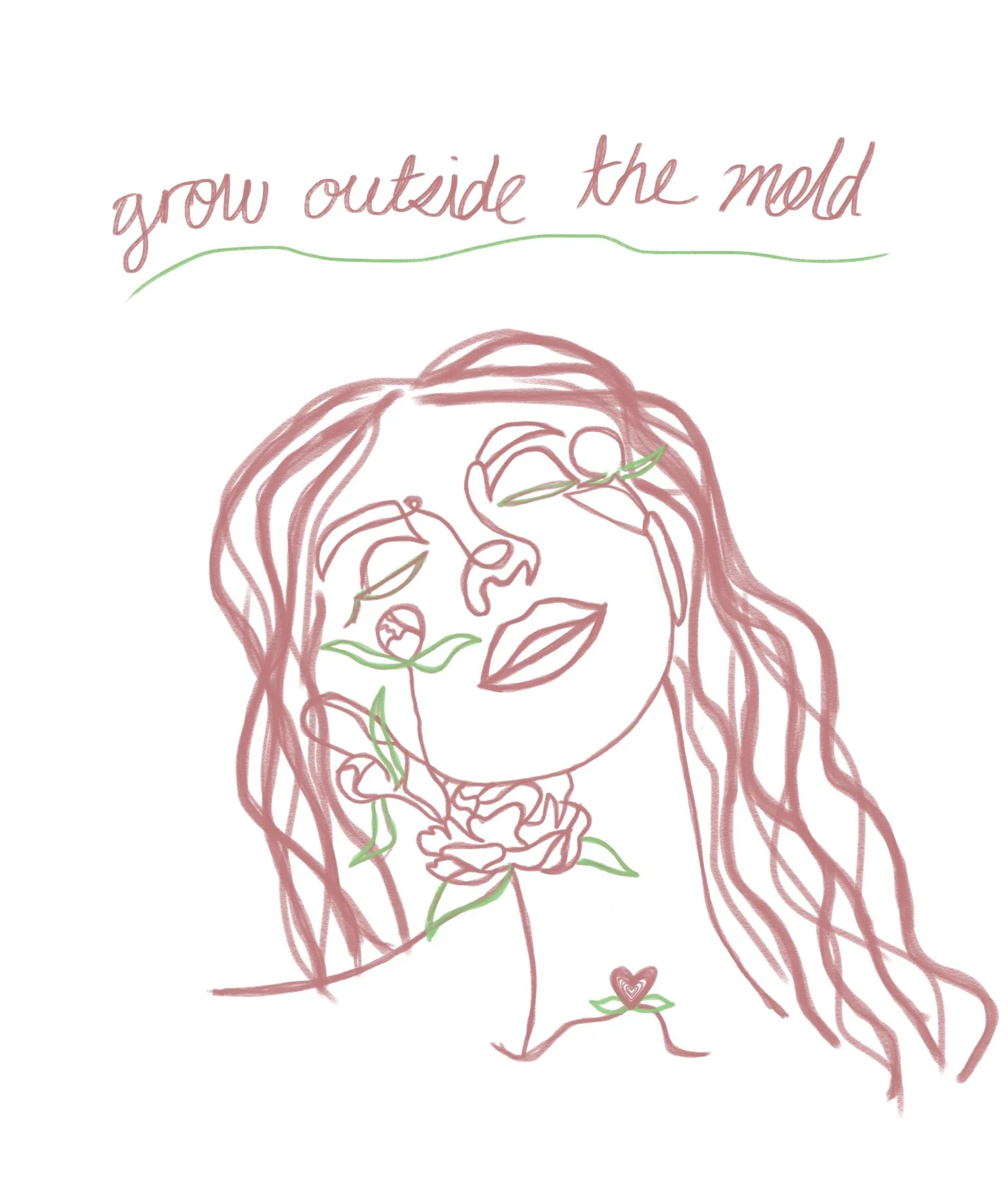
Art made by Natalia T. from Cohort 1.




Sample Class Meeting for Year 1
-
Students ease into our virtual classes with creative prompts and an opening community question to set the tone.
-
Students have an open space to share their critiques, questions, and reflections about the readings for the week.
-
Students engage in interactive activities within groups to further develop their understanding of the topic. For example, when discussing racial wealth inequalities, students have been given the prompt to create a list of reparations that go beyond finances.
-
Students are always given a 15-20 minute break during our two hour class meetings.
-
To close the class meetings, students are given a brief overview of what the next topic entails, review vocabulary, and answer any lingering questions.

Meet your program facilitator
Julia De Jesus
Hi, I’m Julia, and in this role I advise students through the college application process. I’ve worked in higher education for the past 4 years and enjoy connecting high school and undergraduates to discuss their career options and which courses would be most beneficial to their goals.